
The Hidden Space of Leadership
Why the best leaders protect the space where nothing happens

It was a chilled morning. I sat across from a senior leader with over 30 years of experience, the warmth of coffee between us. The conversation turned to the age of anxiety and the relentless demands that come with leading people and organizations today.
Then I looked straight at him and asked, “How do you deal with it?”
He paused.
“With time,” he said slowly, “I’ve learned a bit more wisdom about how to handle it. But it’s not something I’ve always done well.”
He went on to explain that one of the hidden challenges of senior leadership is what he called headspace. Dont confuse it with the app.
From the outside, it might look like you’re doing nothing. But inside, your mind is already full, questions to answer, problems to solve, decisions to make, issues to speak into. That invisible load fills much of your mental capacity.
So you have to make time for headspace
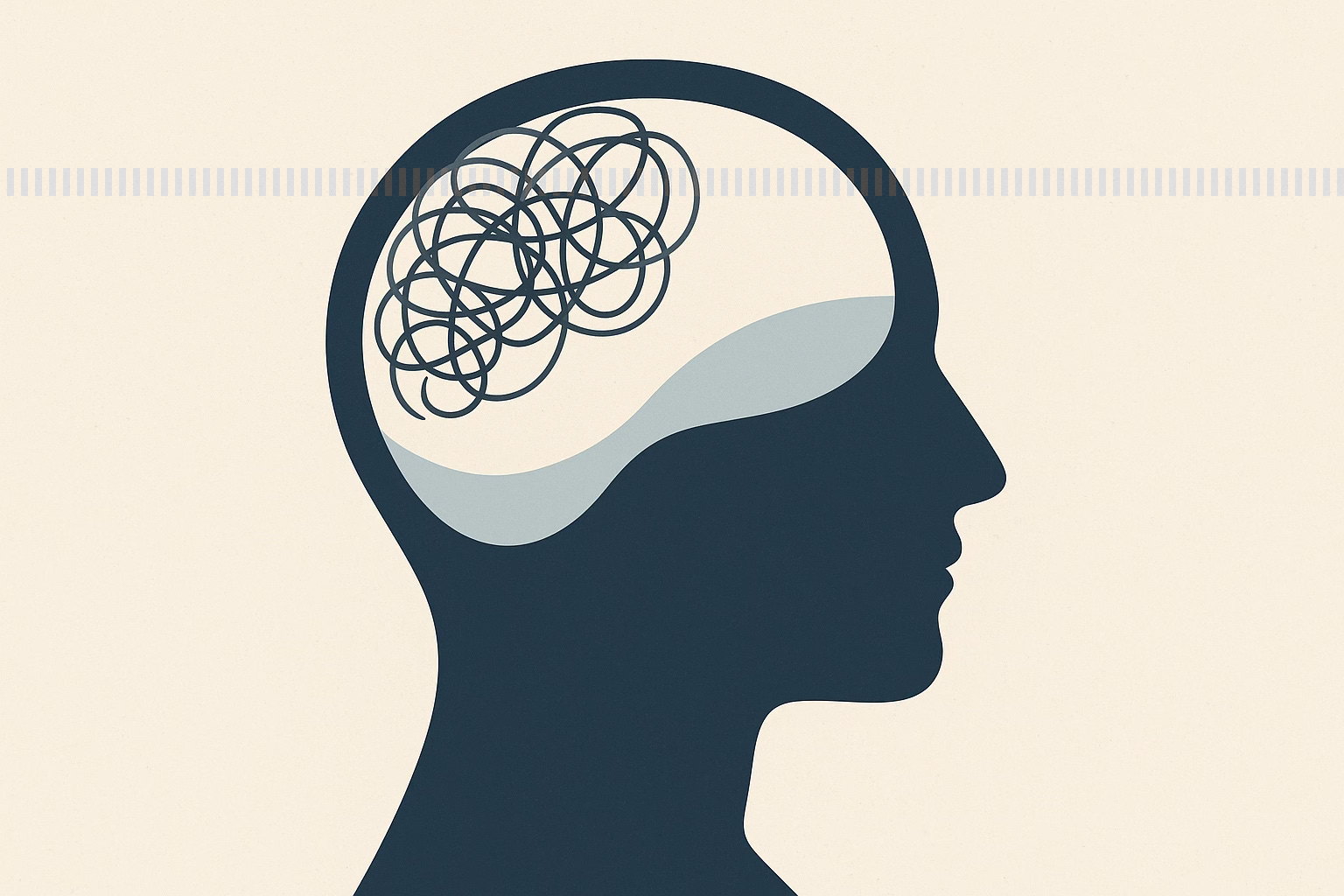
It’s the quiet, often misunderstood space where necessary processing happens, where clarity is born. From the outside, it looks like stillness. But inside, it’s deep work.
How you handle that space matters, because as a leader, things will always be coming at you. You can’t fill every minute reacting to what’s in front of you. You need to leave room for the unexpected, and for reflection, so you can respond rather than just react.
Two Shifts That Help Protect Headspace
Take time to plan.
Get your thoughts out of your head and onto paper (or your favorite device). List the issues you’re dealing with. Then sort them by importance and urgency. Seeing them clearly often reduces the mental noise and helps you breathe again.
Take time not to think.
This might sound counterintuitive, but it’s essential. Our brains don’t get tired of thinking, they get tired of spinning. Sometimes the best way to move forward is to step aside for a moment.
For example When I need a reset, I’ll switch what I’m reading. Instead of leadership or professional material (which keeps my brain in “work mode”), I’ll pick up a historical novel or biography. I’m still reading, but I’m resting my mind differently.
The same goes for the people you spend time with. Step away from strategy sessions and problem-solving conversations. Grab coffee with a friend who makes you laugh. Call someone who knows you outside of your role. These aren’t distractions from leadership, they’re what make sustainable leadership possible.
What the Brain Actually Does When You Switch Tasks
Modern neuroscience confirms what wise leaders have always known: every time we switch focus, our brains pay a cost.1 Frequent task-switching drains mental resources, reduces performance, and increases fatigue. Short pauses and reflective breaks don’t just feel good, they restore executive function and creativity.2
In short: your headspace isn’t a luxury, it’s a leadership necessity.
As organizational psychologist Adam Grant observes, “In healthy cultures, rest is a supply of fuel, breaks are vital to gain and sustain energy.”3
Creating Space to Lead Well
So how can you begin protecting that space today?
Leadership today demands constant engagement, but not every moment needs to be filled. The best leaders I know carry a calm steadiness, the kind that comes from giving their mind room to breathe.
A few practical habits can help:
Block out planning time each week to think clearly.
Build small pauses between meetings to reset your focus.
Balance your inputs, mix professional reading with things that inspire, relax, or simply make you curious.
Leave blank space in your schedule for reflection or the unexpected.
Protecting your headspace doesn’t make you less productive. It makes you sustainable. It helps you think clearly, respond wisely, and be present, not just active.
The best leaders I know don’t just protect their schedules, they guard their inner lives.
They understand that leadership flows from who they are, not just what they do. And who they are is shaped in the quiet.
In a noisy world, your presence as a leader brings calm, direction, and depth, but only if you first learn to lead from a quiet, grounded place within.
Questions to Consider
This week, what’s one thing you could stop doing to create more headspace?
When was the last time you permitted yourself to think without urgency? What would it take to make that a regular practice?
If your team saw you protecting your own headspace, how might that change the culture you’re building?
Going Deeper
If this resonates with you, I’ve just finished a book that goes much deeper into these ideas, written specifically with Christian leaders in mind. STILL: Leading with Presence in an Age of Chaos explores what it means to lead from a quiet, grounded place when everything around you is moving at full speed.
For those who share that worldview, you can pre-order now at a special launch price.
Walker MP. Sleep Duration and Executive Function in Adults. National Center for Biotechnology Information (NCBI), 2023. PMC10673787
Jones SE et al. Sleep/wake regularity influences how stress shapes executive functioning. Frontiers in Sleep, 2024. doi:10.3389/frsle.2024.1359723
Adam Grant, LinkedIn posts on workplace culture (2021-2023). Grant writes: “In healthy cultures, rest is a supply of fuel. You’re expected to take regular reprieves—breaks are vital to gain and sustain energy.”