
The Leadership Power of Distance
Why great leaders must leave the center to understand what the center needs

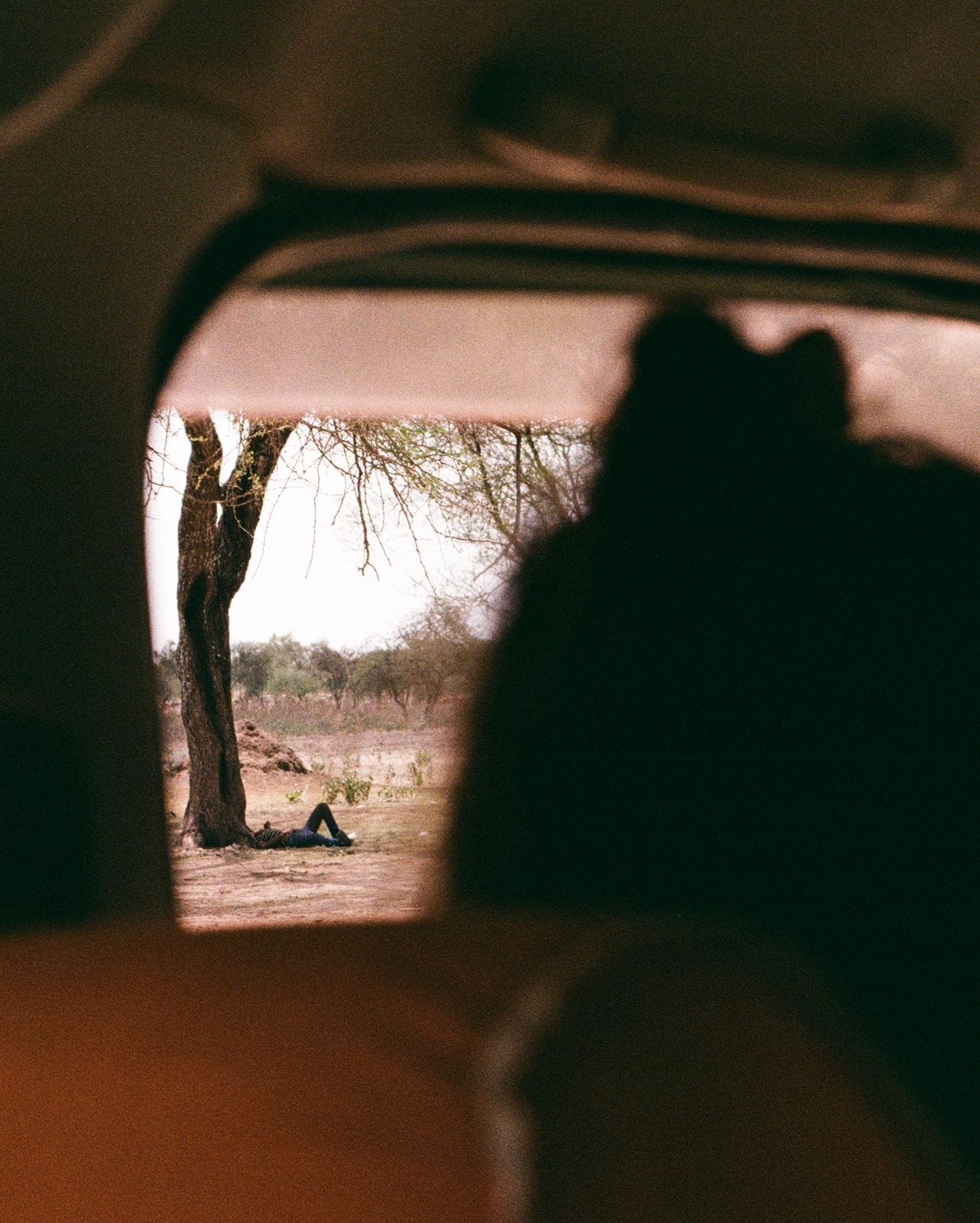
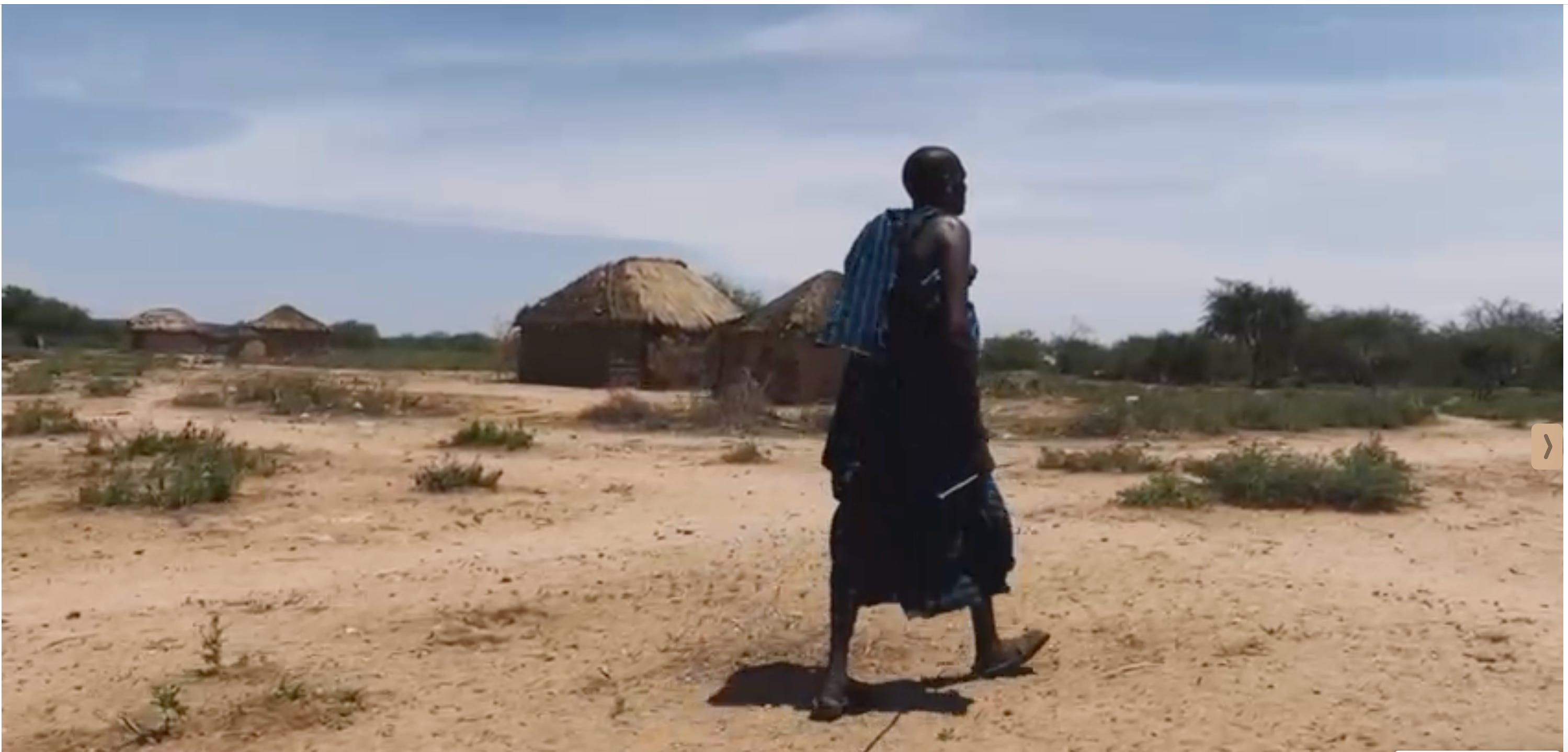
It sometimes felt as if time had stopped 2,000 years ago, or at least what I imagine it might have been, in the remote Maasai villages of Tanzania.
There were days when the world slowed down. The internet was almost nonexistent. We traveled long, bone-rattling stretches on dusty roads as part of a leadership journey for our organization’s next-generation leaders. We chose this deliberately: the first step of a two-year program was designed to pull us out of our bustling European cities.
Research in leadership and psychology suggests that distance from routine can trigger several important shifts. As Ronald Heifetz and Marty Linsky describe it, effective leaders must develop the capacity to “get on the balcony” — stepping back from the action to see the larger system.
Geographical distance can help create that balcony.
When we step outside familiar environments, we gain perspective, become more reflective, and loosen the grip of the roles others expect us to play.
In unfamiliar places, you are… you.
The Human Contrast
What struck me most about the Maasai communities was the contrast. Materially, many had very little; yet there was a visible abundance of joy, appreciation for life, and generosity toward others.
It made me reflect on something uncomfortable: how easily, in my version of la dolce vita back home, the impulse to want more — more things, more comfort, more entitlement — can quietly become the norm.
Distance has a way of holding up a mirror.
Not to romanticize simplicity, and not to judge modern life — but to remind us that there are multiple ways to live, and multiple ways to lead.
What the Brain Does When We Leave Autopilot
Neuroscience adds another useful lens.
When we enter unfamiliar environments, our brain is forced out of automatic mode. Novel settings increase the cognitive demand on our attention, disrupting habitual patterns and activating neural flexibility that supports the formation of new pathways and the updating of old assumptions.
For leaders, this matters because when the brain encounters unfamiliar routes, new cultural cues, and unpredictable logistics, it must revise its internal models. That process is associated with greater cognitive flexibility, deeper learning, and stronger perspective-taking.
Distance also interrupts what behavioral scientists call autopilot — our tendency to run on well-rehearsed patterns without conscious reflection.
Instead of executing, we start noticing.
Getting Out — But Not for the Wrong Reasons
Getting out of the comfort zone is often misunderstood.
It is not about doing something reckless. It is not about performative hardship. It is not about self-serving adventure.
At its best, getting out means stepping far enough outside your familiar world to realize that your way is not the only way — in life or in leadership.
That realization alone can soften certainty, reduce entitlement, and increase empathy.
The practice of leaving to see more clearly has deep roots. Long before leadership theory gave it a name, the pattern was already there — in the wilderness of Moses, the desert of Elijah, the solitary places Jesus withdrew to before every major decision. Something about distance has always been essential to clarity. The best leaders, ancient and modern, have understood this instinctively: you sometimes have to leave the center to understand what the center needs.
During our journey, the scorching Tanzanian sun, the dust of long drives, and the depth of conversations with fellow leaders brought back something often missing in high-performance environments: the simple experience of being human.
It made us more vulnerable.
More present.
More aware of what really matters.
Why This Matters for Leaders Now
In today’s attention-scarce, always-on leadership context, many leaders are operating in a permanent state of cognitive autopilot.
The risk is not just burnout. The bigger risk is a narrow perspective.
Distance, physical or psychological, can help reopen the field of view.
Not for everyone. Not in every situation. But often enough to matter.
For me, this journey was deeply soul-filling.
A Question Worth Sitting With
What are the experiences that help you return to your humanity as a leader?
Each of us has a remote village we need to visit. It may be geographical — dust, distance, and unfamiliar roads. It may be psychological — silence, solitude, a deliberate step away from the noise. Where is yours?
Because, regardless of our skills, frameworks, and capabilities, we are human beings first.
And sometimes, the most powerful leadership move is simply this:
Step far enough away to see clearly again.
If this resonated, consider sharing it with a leader who might need the reminder. Forward now.